
-
Manufacturers
Manufacturers


5 Common Machining Problems Addressed By CNC Control Systems
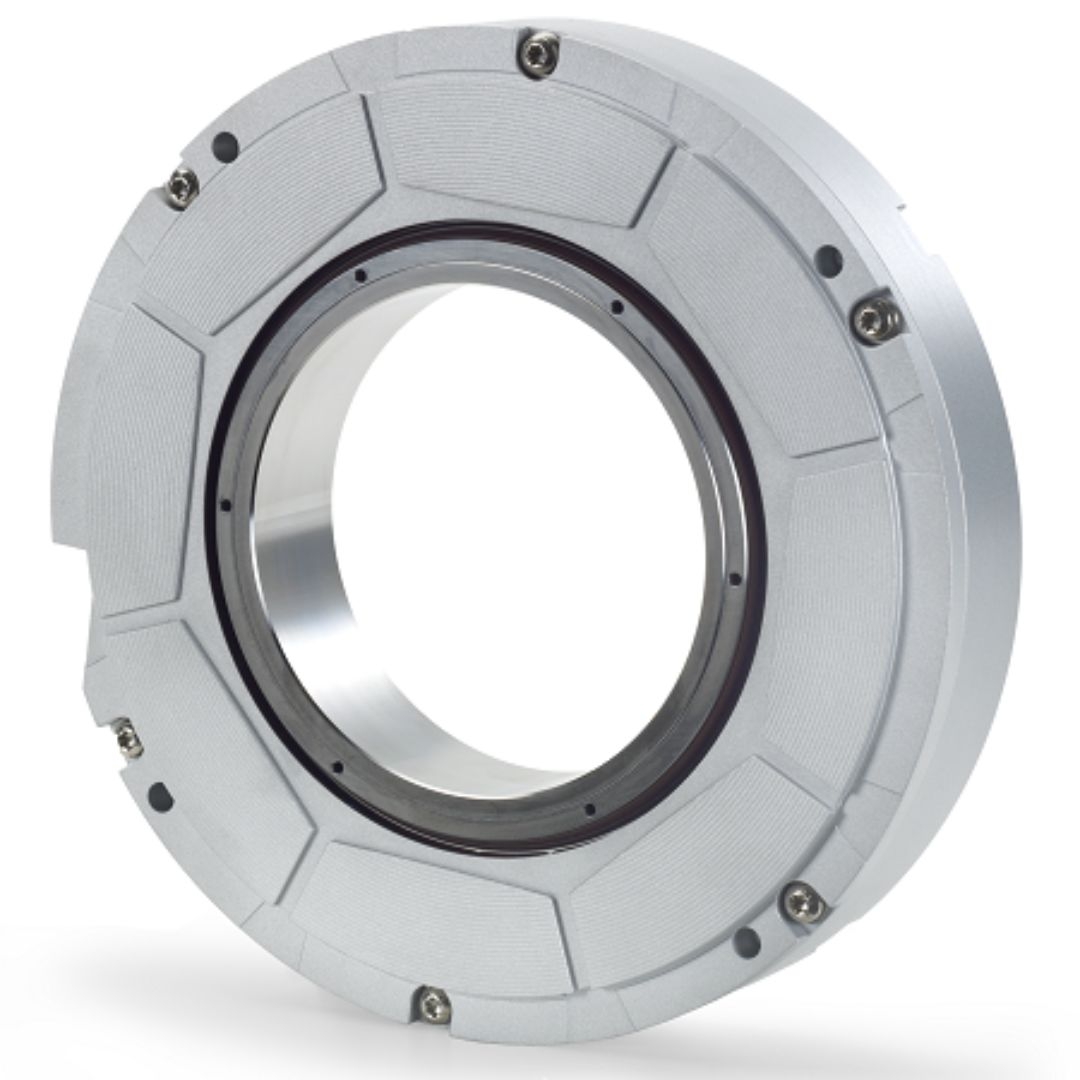
The 5 most common CNC machining issues that are properly addressed by various CNC control systems include precision drift, changeover time, tool breakage, complex interfaces and production speed. In this blog, Walker Machinery, a major distributor of CNC control systems such as rotary encoders, linear encoders and more, explores these 5 problems and their subsequent solutions in detail.
What Are The Common Machining Problems Faced By CNC Systems?
Precision Drift
Precision drift is a common issue faced during constant machining over the long run. This means that the positioning accuracy of the machine in question goes off subtly with constant usage. The main culprit behind this loss of calibration is thermal expansion, backlash or wear.
Solution: To address the problem of precision drift, a closed-loop feedback system has to be installed with digital encoders installed at the point of motion. The most commonly used encoders here include linear encoders and angle encoders. This setup offers real-time feedback of the system, allowing it to instantly correct its position even in the most challenging of environments.
Changeover Time
When it comes to production efficiency, changeover time is a major factor to consider. This is particularly important when it comes to short operations with frequent part changes. Therefore, setup after each operation can take up a lot of valuable time.
Solution: Touch probes can combat a lot of these setup issues by finding the edge of the tool quickly and effortlessly. An automated setup routine also aids in reducing changeover times significantly. This includes the complete sequence of events that considers offsets, so the chance of error and increasing downtime is reduced.
Tool Breakage
Tool breakage is a real cause for concern in CNC machining as it not only damages the workpiece before it is detected, but it can also damage the machine itself over time. The breakage never happens dramatically, but instead starts with small cracks that slowly reduce the accuracy and precision of any operation.
Solution: A tool breakage detector can be used to combat the issue of a damaged or broken tool. This detector comes with inductive sensing capabilities that allow it to check the tool for cracks or breakage without even touching it. When paired with the right interface, this detector can immediately alert the operators of even the slightest of damages, reducing instances of rework, unplanned downtime and damage to the machine itself.
Complex Interfaces
While CNC machining makes it easier to operate equipment, a complex interface poses a new set of challenges. This can make it difficult for new operators or trainees to master the system, as it has a steep learning curve.
Solution: A user-friendly interface is an excellent way to offset these challenges. Look for one with intuitive multi-touch controls or the ability to customize layouts. The ultimate goal is to reduce onboarding time, making it easier for new operators to master the interface.
Production Speed
A high production speed can be achieved with high feed rates; however, it comes at a cost. The quality of the finish is compromised in these cases. The challenge, therefore, is to opt for a CNC system that balances high feed rate without affecting quality.
Solution: The solution is to integrate various path detection tolerance and prediction software that can optimize the toolpath in real-time, even at high speeds. Thus, the finishing of the product will remain excellent even at maximum speed rates, irrespective of the complexity of the design.
Conclusion
To conclude, the main issues pertaining to CNC machining include tool breakage, precision drift, high changeover time, complex interfaces, and a compromise between production speed and quality. With appropriate CNC control solutions that include rotary encoders, linear encoders, angle encoders, a tool breakage detector, and touch probes, these problems can be addressed in real-time, boosting production speeds, performance and accuracy.
To learn more about digital encoders and various CNC control solutions, contact us at Walker Machinery today. As one of the leading distributors of linear encoders, rotary encoders and more, we also offer high-quality digital readout systems and related accessories. With decades of experience in this field, we proudly serve a wide variety of industries and esteemed clients. For more information, contact us at 905-876-0890 today.
FAQs:
What are the main benefits of angle encoders?
The biggest benefits of angle encoders include high accuracy, resolution, enhanced durability and reliability, and easy integration with modern controllers.
What is the major application of a touch probe?
The main application of a touch probe is to automate measurement, reduce setup times, improve accuracy, check dimensions and correct errors in real-time.
How does thermal expansion impact CNC machining?
Thermal expansion, caused by friction or environmental changes, negatively impacts CNC machining as it leads to inaccuracies in part dimensions, wear and tear in the tool, and defects in the surface of the workpiece. The end result is that it leads to calibration drift over time.