
-
Manufacturers
Manufacturers


7 Applications Of Digital Encoders In The Defence Sector
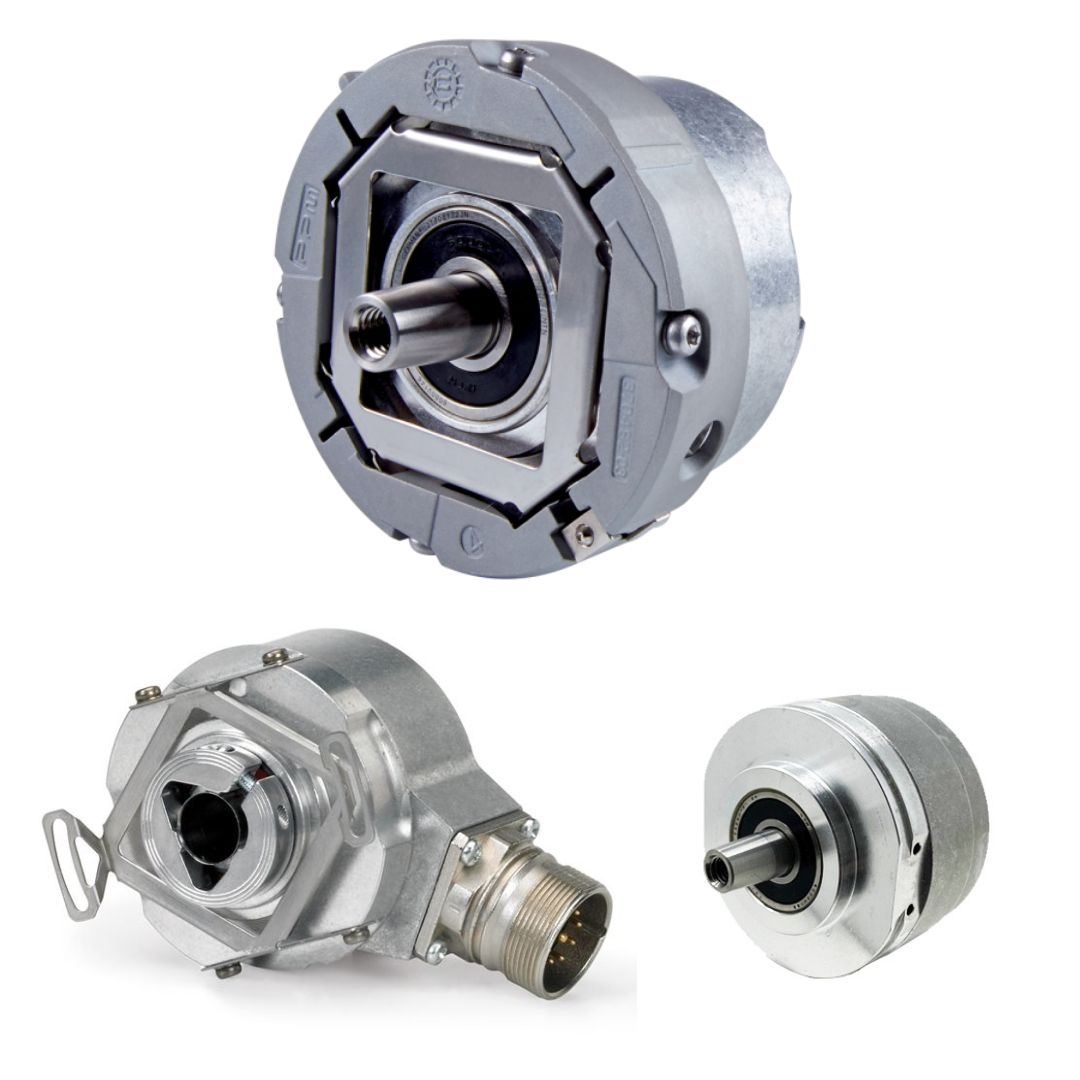
Digital encoders are used in myriad applications in the defence sector. Based on the applications, they can be divided into three distinct categories, namely aerial, naval, and ground applications. In the aerial sector, they are used in gimbals, satellites and control systems; in the naval sector, they are used in naval radars; and in ground operations, they are used in ground radars, robotics, and combat vehicle systems.
Walker Machinery, a leading distributor of DRO systems and digital encoders in Milton, Ontario, explores these applications in detail in this blog.
Where Are Digital Encoders Used In Aerial Defence?
Gimbals
Digital encoders play a major role in gimbals and unmanned aerial vehicles, also known as UAVs. Here, they provide precision in feedback for optimal control and stabilization. Angle encoders are a common choice in this case, as they are used to measure the angular position of the motors within gimbals. This feature is required for stable camera operations, a key part of steady imaging for which gimbals are utilized.
In the case of UAVs, their role is to improve stability and maneuverability/handling of the aircraft. Encoders do this by offering real-time data on rotor position and speed. All these features highlight their role in military and surveillance operations.
Satellites
In satellites, digital encoders are used to provide highly accurate positional feedback. These encoders provide stabilization and orientation in satellite operations. This is done by measuring the various components of the satellite, such as the angle of the solar panels, antennas and myriad moving parts. With this feedback, digital encoders enable optimal usage of communication and power. Moreover, the various sensors and instruments used on board the satellite also use digital encoders for precision control, data transmission and collection.
Thus, encoders help satellites maintain their orbit and operations in an efficient manner.
Control Systems
Flight simulators are also commonly used in aerial defence. In this field, digital encoders are used to provide precise feedback and movement of different components in the simulator. Mainly in simulators, they are used in joysticks to ensure that the movement of the stick reflects virtual movement. This is essential to maintain a sense of realism while operating the simulator. Hence, they are key for safe and effective testing and training conditions.
Where Are Encoders Used In The Naval Sector?
Naval Radars
Naval radars are non-negotiable in naval defence, and digital encoders have a major part to play in this application. They are used to provide precise movement and positioning for the radar antennae and other related components. Rotary encoders and angle encoders are used for these applications, as they convert rotational and angular movements into usable signals. This helps naval radars to provide precise positions of objects across large distances.
Hence, naval radars that use digital encoders offer precise threat detection and navigation.
Where Are Encoders Used In Ground Defence Operations?
Ground Radars
Ground radars are also a staple in defence operations, and digital encoders play a major role in this sector. Similar to naval radars, encoders here are used to provide position and angle measurements for the radar antennae. Hence, they aid in the accurate targeting and tracking of objects that may be potential threats. Therefore, encoders are vital for improving radar performance, accuracy, and reliability during defence operations.
Robotics
Robotics are also becoming a norm in ground defence operations. Digital encoders are used in this context to provide precise feedback on the position, speed, and movement of different components in the robot. This allows the robots to perform different applications, such as interacting with objects and the environment and finding paths. A similar mechanism is also used in autonomous machinery, where encoders help maintain stability, which is vital for effective operation in dynamic environments.
Combat Vehicle Systems
Combat vehicles, especially the vision systems in them, require digital encoders in some capacity. They provide precise feedback on the orientation and position of cameras and sensors. This is done by converting the position data into usable digital signals. Therefore, they enable combat vehicles to monitor the surroundings carefully and respond as required.
Conclusion
In closing, digital encoders, such as rotary encoders, angle encoders and more, play a major role in the defence sector, serving aerial, naval, and ground-based operations. They are mainly used in gimbals, satellites, ground radars, naval radars, combat vehicle systems and robotics.
To learn more about digital encoders, contact us at Walker Machinery today. As one of the biggest distributors of CNC controls, DRO systems, and digital encoders in Milton, Ontario, we offer specialized solutions for your specific needs. Contact us at 905-876-0890 today for more details.
FAQs:
What is a resolution in a digital encoder?
A resolution is defined as the smallest measurement that is provided in the output by the digital encoder. Cycles per revolution (CPR) is a rotary encoder that is a great example.
What type of digital encoders are used for defence operations?
Digital encoders used in defence operations include linear encoders, rotary encoders and angle encoders. Among them, optical encoders are used for more precision applications, whereas magnetic encoders are more suited for rugged environments.