
-
Manufacturers
Manufacturers


Optical Digital Encoders: Types, Specifications And Selection
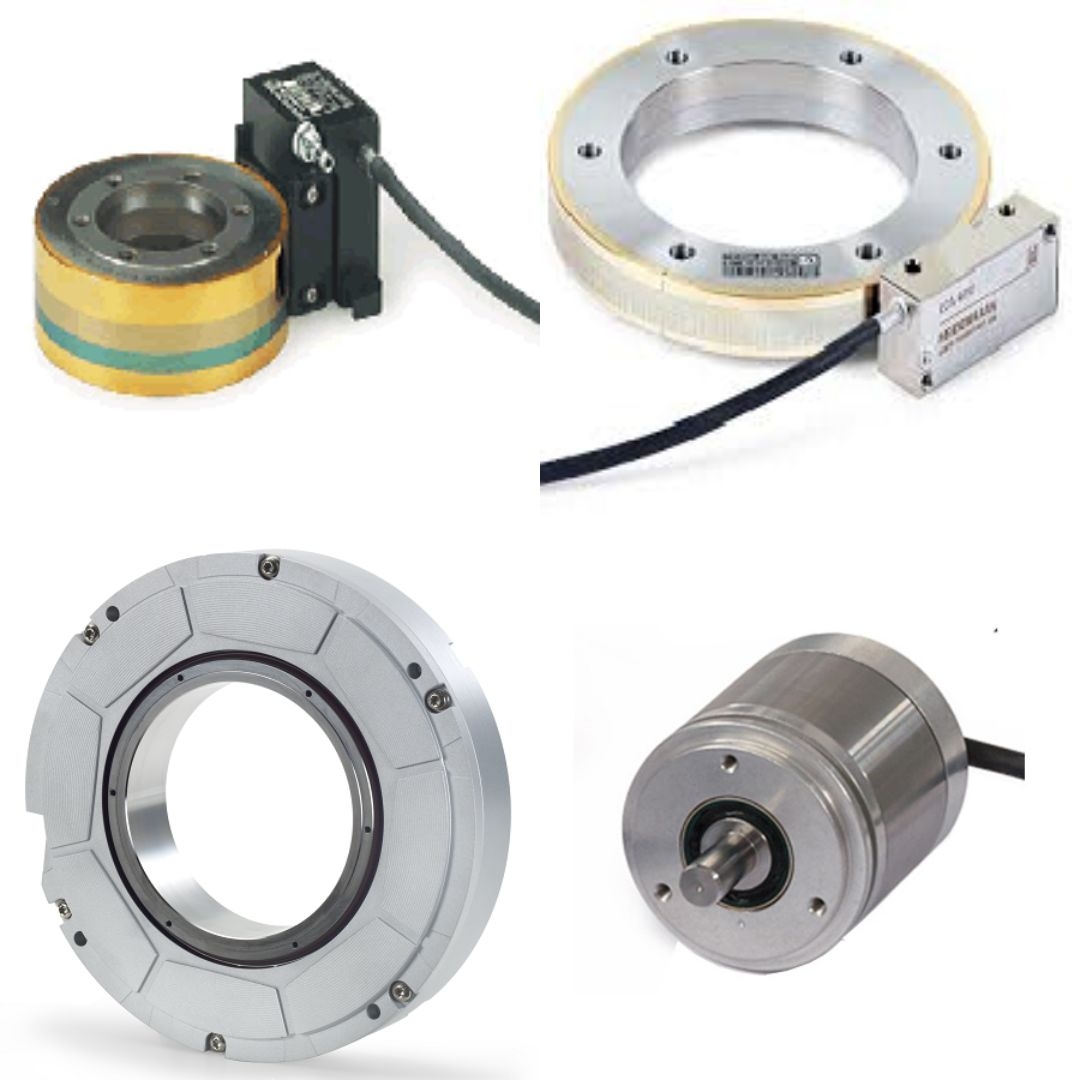
Optical encoders are a specialized form of digital encoders that use light to provide positioning feedback to the controller. The two main types of optical encoders are incremental and absolute encoders; however, there are many other types of specifications to consider. In this blog, Walker Machinery, a major distributor of digital encoders and digital readouts in Milton, Ontario, explores the types of optical encoders, specifications, and selection criteria in detail.
What Are The Main Types Of Optical Encoders?
Incremental Optical Encoders
In the case of incremental optical encoders, a pulse is generated each time the encoder disc rotates. Incremental encoders are primarily used in cases where relative speed and positioning are more important than absolute parameters. Thus, the position of the encoder has to be re-established after each setup.
Absolute Optical Encoders
Absolute optical encoders offer precise and accurate positioning through all parts of the rotation. They can retain position data to the exact degree, even after power loss or a reset. So, absolute optical encoders are used in applications where precise positioning is a necessity, such as robotics and automated manufacturing.
What Are The Key Selection Specifications For Industrial Optical Encoders?
There are many key specifications to consider for industrial optical encoders, which also act as selection criteria, including resolution, speed, and frequency response, signal output, environmental factors, and mounting configurations.
Resolution
Resolution in the context of optical encoders is the number of distinct positions detected by the digital encoder during one revolution. Therefore, more resolution automatically translates to better accuracy. Thus, high-resolution optical encoders are used in applications where accuracy and precision take center stage, such as CNC machining and semiconductor manufacturing.
Speed And Frequency Response
Speed and frequency response are key aspects, along with accuracy, for optical encoders. The encoder must be capable of responding precisely to high-speed, rapid movements. In such applications, signal degradation is not an option. Optical encoders with high-speed response are used in robotics, where rapid arm movement is the norm.
Signal Output
Signal output or the type of signal for optical digital encoders can also vary significantly based on the type of system used and its application. The two main types of signal outputs are Transistor-Transistor Logic (TTL) and High Threshold Logic (HTL). The former is ideally suited for low-speed applications, whereas the latter is ideal for high-speed applications.
Environmental Factors
The environment in which the optical encoder will operate will further help subclassify them. On this basis, there are two varieties to consider:
Sealed Optical Encoders - Sealed optical encoders are enclosed in a safe housing which protects the delicate optical encoder from contaminants such as dust, moisture and dirt. They are mainly used in shop floors where exposure to contaminants is commonplace.
Exposed Optical Encoders - Exposed optical encoders do not feature any protective layer or housing. However, this helps them provide better accuracy and precision. These types of optical encoders are best used in environments where contamination is minimal, such as semiconductor manufacturing or sterilized facilities.
Mounting Configurations
Installation and type of mounting also play a major role when selecting an optical encoder for a task. Here are two parameters to consider in this regard:
Shaft Type - There are many different types of shafts to consider for optical encoders, such as solid shafts, hollow shafts, and through shafts. The selection of the shaft will depend on design and application.
Mounting Method - There are two types of mounting methods to consider, namely flange or direct shaft connection. This will determine installation, maintenance and stability of the digital encoder.
What Are Some Other Auxiliary Factors To Consider When Choosing Optical Encoders For Industrial Applications?
Some auxiliary factors to consider when choosing optical encoders for industrial applications include:
- The Type of Application: Whether the application is for high accuracy and precision, such as robotics, or for more rugged applications, such as shop floor machining.
- Performance and Flexibility: It is also key to consider whether performance takes precedence over flexibility, or if a balanced approach is preferred. For instance, in the case of very high accuracy and performance requirements, high-resolution absolute optical encoders are preferred. Otherwise, an encoder with high resolution but fast response time can be considered.
- Maintenance and Longevity: Lastly, considering the longevity of optical encoders is also important. Since not all optical encoders have this level of durability, consider encoders with high durability and easy maintenance.
Conclusion
To summarize, choosing the right type of optical encoder requires a deep understanding of key specifications and requirements, such as resolution, speed, and signal output, environmental conditions, and installation and mounting configurations.
To learn more about digital and optical encoders, as well as other types of CNC control equipment, reach out to us at Walker Machinery. With decades of experience, we are major distributors of digital readouts, digital encoders and a variety of machine control solutions in Milton, Ontario. Contact us at 905-876-0890 today to get started.
FAQs:
How does an optical encoder work?
An optical encoder works by using the reflected light off the encoder disc, which is converted into a viable electrical signal and provides positioning and speed feedback.
Can a magnetic encoder be used in place of optical encoders?
If low resolution and durability are required in a particular application, then magnetic encoders can be used in place of optical encoders.